
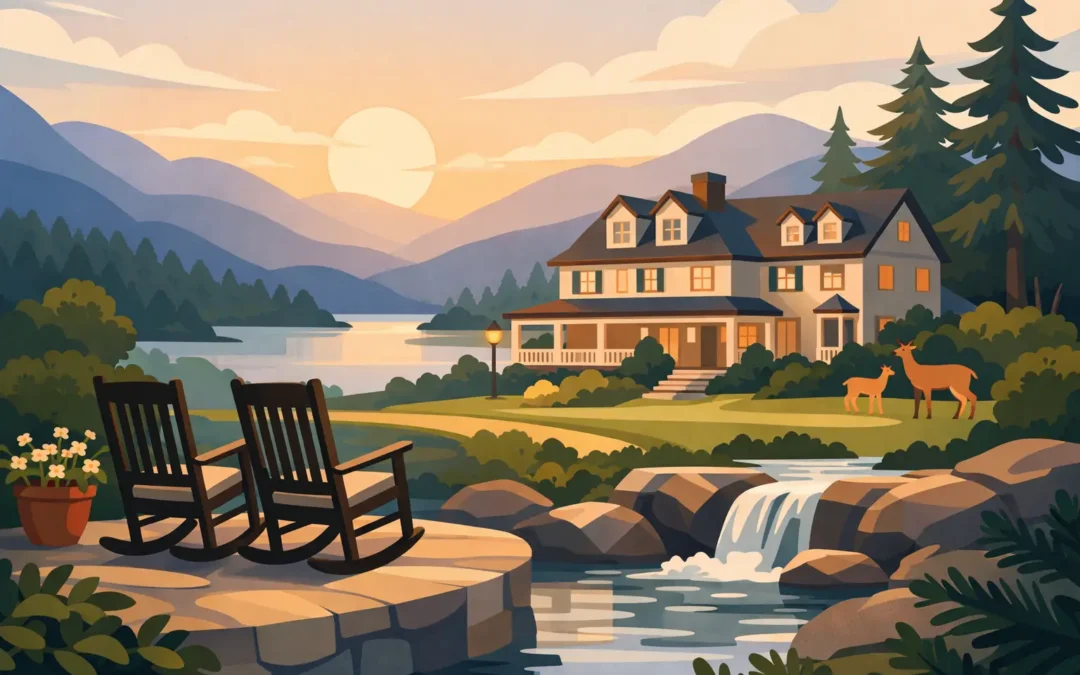
A stay in the mountains can be comfortable almost anywhere. A stay that lets you wake beneath the same roof that welcomed Highlands visitors more than a century ago is something else entirely. What makes a historic inn unique is not simply its age, but the living connection it creates between a destination’s past, its present-day pleasures, and the memories guests carry home.
In Highlands, North Carolina, that connection feels especially natural. Cool mountain air, graceful old homes, lively Main Street shops, world-class restaurants, and nearby waterfalls all invite visitors to slow down. A historic inn gives that experience a setting with real roots – a place where the character of the town is present from the moment guests arrive.
What Makes a Historic Inn Unique?
A historic inn has a story that cannot be manufactured. Original architecture, preserved details, antique furnishings, and a long-standing place in the community create an atmosphere no standardized hotel can duplicate. Each hallway, parlor, staircase, and guest room may reveal a different chapter of the building’s history.
That distinction matters because travelers are not only choosing a bed for the night. They are choosing how they want to experience a place. A modern hotel may offer predictable convenience, while a historic property offers personality, a sense of occasion, and the pleasure of staying somewhere that belongs to its surroundings.
Historic does not mean frozen in time. The finest inns honor their original character while providing the thoughtful comforts expected of a relaxing getaway. The balance is part of the appeal: period-inspired surroundings and warm hospitality paired with the ease of an overnight stay, a long weekend, or a special gathering with family and friends.
A Building With a Genuine Sense of Place
The strongest historic inns are inseparable from their towns. They have witnessed changing seasons, generations of visitors, community celebrations, and the daily rhythm of the street outside. Their history is not a decorative theme. It is part of the building itself.
Highlands Inn holds a special place in this story as Highlands’ first hotel and a property listed on the National Register of Historic Places. Its late-19th-century character offers guests more than a charming backdrop for photographs. It provides a rare opportunity to stay within a piece of Highlands history while enjoying the energy of downtown just beyond the door.
This is particularly meaningful in a mountain town known for its enduring appeal. Highlands has long drawn guests seeking cooler summer temperatures, autumn color, fine dining, outdoor adventure, and a welcome change of pace. A historic inn reflects the tradition of hospitality that helped make the town a beloved destination in the first place.
Character Lives in the Details
At a historic inn, the details are often what guests remember most. The patina of wood floors, the shape of an old window, the quiet elegance of an antique, or the inviting warmth of a thoughtfully arranged sitting room can make an arrival feel personal rather than procedural.
These features also mean that rooms may not be identical. One guest may prefer a room with a particular view, while another may be drawn to a distinctive architectural detail or a cozier layout. That individuality is a pleasure for travelers who value charm over the uniform sameness of a chain hotel.
There can be trade-offs, of course. Historic buildings were designed in another era, and their dimensions, room configurations, and architectural features may differ from newly built accommodations. For many guests, those differences are precisely what make the experience memorable. The key is choosing an inn that preserves its heritage with care and communicates its accommodations clearly.
Hospitality That Feels Personal
An inn is more intimate by nature than a large hotel, and historic surroundings deepen that feeling. With fewer rooms, the experience can feel quieter, more considered, and more connected to the people and place around it. Guests are welcomed as visitors to a beloved property, not simply as another reservation number.
This style of hospitality suits couples celebrating an anniversary, families gathering in the mountains, friends planning a weekend away, and travelers who would rather hear a local recommendation than follow a generic itinerary. A knowledgeable host can point guests toward a favorite dinner table, a scenic drive, a nearby trail, or the best way to spend an unhurried afternoon on Main Street.
The appeal is not about formality for its own sake. It is about graciousness. A historic inn can make a simple weekend feel more intentional, whether the plan is to explore the town from morning to evening or settle in with a book after a day outdoors.
Downtown Access Changes the Entire Stay
Location is one of the most valuable qualities a historic inn can offer, especially in a destination like Highlands. A property in the heart of town allows guests to leave the car behind and experience the village at a natural pace.
From a Main Street address, an afternoon can unfold without an agenda: browse local shops, pause for coffee, enjoy a leisurely lunch, return to the inn to rest, then walk to dinner. Highlands is known for its exceptional dining scene, and staying downtown makes an evening at one of its world-class restaurants feel delightfully easy.
Walkability is also useful for wedding parties and small groups. When guests can gather, dine, and enjoy town without coordinating multiple vehicles, the weekend becomes less complicated and more relaxed. For couples planning an intimate celebration, that convenience can be as valuable as the beauty of the setting.
The Mountains Are Still Close By
A downtown stay does not mean missing the natural beauty that brings so many travelers to the Blue Ridge Mountains. Highlands places guests near scenic drives, waterfalls, forest trails, and overlooks that reward a morning or afternoon of exploration.
The advantage of a central historic inn is the return. After time on the trail or by the water, guests can come back to a welcoming setting, freshen up, and step out for dinner or an evening stroll. It is a more complete kind of mountain getaway – nature when you want it, town life when you are ready for it, and a distinctive place to rest between both.
A Setting Made for Meaningful Gatherings
Historic inns lend themselves beautifully to occasions worth celebrating. Their architecture and atmosphere bring instant character to a rehearsal dinner, wedding reception, anniversary gathering, dinner party, or business meeting. Rather than needing to create a sense of occasion from scratch, hosts begin with a setting that already has grace and history.
For a small wedding or private celebration, an inn can feel especially fitting. Guests share more than an event space. They share a place to stay, a common gathering point, and the pleasure of being together in the center of a mountain town. The result is often more relaxed and more personal than a larger, more anonymous venue.
Still, the right fit depends on the occasion. A historic inn is ideal for intimate groups that appreciate atmosphere, walkability, and thoughtful service. Those planning a very large event or seeking a highly contemporary setting may need a different type of venue. For the right gathering, however, a heritage property gives the celebration a character that guests will remember long after the last toast.
Why Authenticity Matters More Than Ever
Travelers have many choices, and many accommodations can provide familiar amenities. What they cannot all provide is authenticity. A historic inn offers a stay grounded in a particular town, a particular building, and a tradition of welcome that has been shaped over generations.
That authenticity is felt in quiet ways: in the knowledge that the property has endured, in the thoughtful preservation of its interiors, and in the feeling that a weekend away has become part of a larger story. It turns lodging into an experience with texture and meaning.
For guests visiting Highlands, the perfect place to stay may be one that reflects why they came at all – for mountain beauty, small-town pleasures, Southern charm, and time set aside for one another. Choose a historic inn when you want your accommodations to be more than a place to sleep. Choose it when the setting itself deserves a place in the memory.